
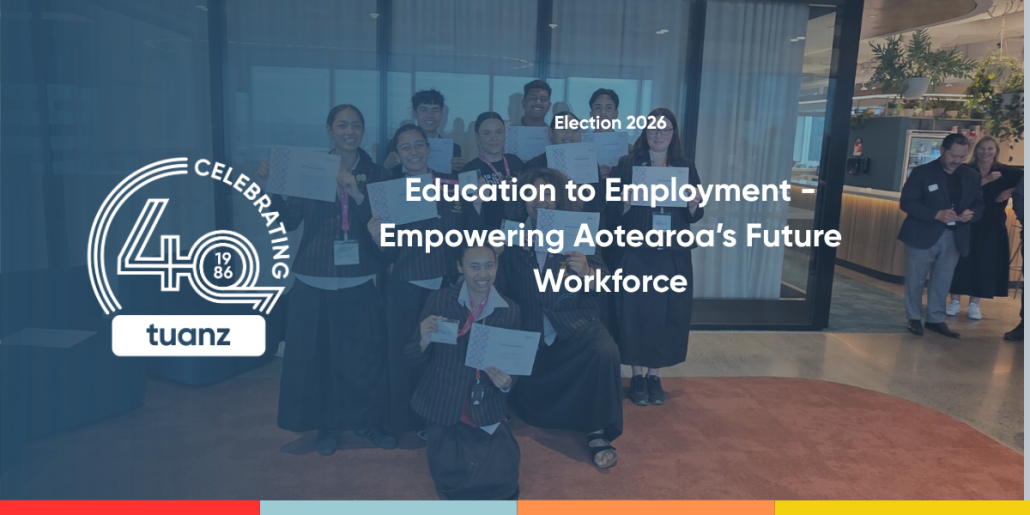
Building Aotearoa’s digital workforce critical to unlocking AI-led growth.
The Tech Users Associate of New Zealand (TUANZ) is calling for urgent, coordinated investment in home-grown digital capability to ensure Aotearoa can capture the significant economic opportunity presented by artificial intelligence and emerging technologies.
New Zealand’s technology sector is already the country’s second-largest export earner, generating more than $17 billion annually. TUANZ says sustaining and growing that contribution will depend on addressing widening skills gaps and strengthening the pipeline from education to employment. , As part of its 2026 Position Papers programme, TUANZ has today released its Education to Employment policy statement. The paper sets out a pathway to build a more skilled and inclusive digital workforce, with a focus on developing talent domestically rather than relying on offshore supply.
“We have strong foundations, including high levels of digital adoption and early uptake of AI,” says Craig Young, CEO of TUANZ. “However, demand for advanced digital skills continues to outpace supply. Without a more deliberate approach to building capability, we risk limiting the economic and productivity gains available to New Zealand.”
The paper highlights the need to view capability as a lifelong pathway, from early education through to workforce participation, and outlines four priority actions for Government and industry:
- Mandate Technology Upskilling in the Core Curriculum: Elevate digital literacy to the same status as reading and mathematics, embedding essential digital skills from primary through secondary school to ensure every student is “digital-ready”.
- Incentivise “Home-Grown” Capability and Digital Apprenticeships: Expand industry-led reskilling programmes by providing tax credits or subsidies to businesses that invest in internal academies to train junior talent, particularly in regional areas and “deep tech” fields.
- Encourage Diverse Pathways: Take the lead in developing career pathways that dismantle cultural barriers and actively encourage Māori, Pasifika, and Wahine into tech education and roles, ensuring our digital workforce represents our population.
- Close the SME Digitalisation Gap: Provide government-backed financial incentives to lower the barrier to entry for Small and Medium Enterprises (SMEs) – the backbone of our economy – so they can improve their digital skills and cyber security defences.
“The transition from education to meaningful digital employment is a critical lever for New Zealand’s long-term prosperity,” Young says. “Targeted investment in local capability will strengthen productivity, support economic resilience, and ensure more New Zealanders can participate in the opportunities ahead.”
To read the full position statement click here.
ENDS


