The hidden cost of scaling AI

A guest blog post from Shannon Harris, Managing director of HP New Zealand

Artificial intelligence is moving rapidly from experimentation into everyday use. What began as pilots and proofs of concept is now embedded in how people write, analyse information, collaborate and make decisions at work. For many organisations, the conversation has shifted from whether to adopt AI, to how it can be scaled in a way that is effective and sustainable over time.

The more useful AI becomes, the harder it is to control the cost of running it. As AI becomes woven into daily operations, the challenge for leaders is no longer access to capability, but whether it can be run at scale without compromising performance, security or control. This is where AI moves from being a technology discussion to an economic one.

When scale changes the equation

Much of today’s AI relies on the cloud, with costs tied directly to usage. Every interaction, whether it is a prompt, a document summary or an automated workflow, consumes processing power. Individually, these interactions feel small and inexpensive. But when multiplied across hundreds or thousands of employees, those costs can grow quickly and unpredictably.

This is not a flaw in the technology, but a reflection of how valuable and widely used it has become.

There is a well-established principle in economics known as the Jevons Paradox, which says that when something becomes more efficient and easier to use, overall consumption tends to increase rather than decrease. In other words, the challenge shifts from what AI can do, to what it costs to run at scale.

As models improve and access becomes more seamless, usage accelerates. Even as the cost per interaction falls, total spend continues to rise. More efficient AI, in practice, does not automatically translate into cheaper outcomes.

At the same time, expectations of AI are changing. It is no longer viewed as an occasional tool, but as something that should be immediate, responsive and always available. When AI becomes part of everyday work, delays feel more noticeable, trust matters more, and tolerance for friction drops quickly. Systems that rely entirely on sending data back and forth to the cloud start to feel the strain, particularly as AI moves from experimentation to everyday reliance.

The future of AI at the Edge

This is why we are beginning to see a shift towards intelligence running closer to where work actually happens. Advances in hardware, software optimisation and model design mean that AI capabilities once reserved for data centres can now operate directly on modern devices. This is often referred to as AI at the Edge, but the idea itself is simple: put intelligence where it is used most.

The implications for businesses are significant. Running AI on-device reduces reliance on recurring cloud compute for high-frequency tasks, while improving responsiveness through real-time processing. It also strengthens privacy and security by keeping sensitive data local, which is increasingly important in regulated environments. Perhaps most importantly, it makes AI more economically sustainable as usage grows, allowing organisations to scale capability without a corresponding surge in ongoing costs.

This shift is not about replacing the cloud, but about designing a hybrid future where intelligence runs in the right place for the right task. Some workloads will continue to benefit from centralised cloud processing, while others are better suited to being handled locally. Designing for that balance requires a different mindset from leaders.

AI strategy needs to factor in long-term cost, scalability and trust from the outset. The organisations that succeed will be those that ask not only what AI can do, but how often it will be used, by whom, and at what cost over time. They will consider not just the power of a model, but how it fits into everyday work without introducing friction, risk or unsustainable expense.

At HP, we are seeing this shift clearly in our conversations with customers and partners. AI is becoming part of the fabric of work, and that means it needs to be efficient, secure and built to last. Bringing more intelligence onto the device is a critical part of making that possible, particularly as organisations look to embed AI more deeply across their workforce.

The next phase of AI will be shaped by smarter deployment decisions, and leadership that understands how the economics of AI matter as much as innovation itself.


Investing in Your Digital Future: New Education Offerings from TUANZ

At TUANZ, our “Education to Employment” mission is simple: ensuring every New Zealander can thrive in a digitally connected world. To help our members stay ahead of the curve, we are officially launching our first suite of curated education offerings.

We have partnered with the Skills Development Group to provide members with access to expert-led training designed for measurable business uplift. Whether you are looking to master AI or sharpen leadership skills, these courses are built to bridge the gap between education and the workforce.

Exclusive Member Benefits

To support your growth, we’ve negotiated exclusive discounts for the TUANZ community:

  • 10% off individual courses with code: TUANZ10

  • 20% off bookings of 3+ people with code: TUANZ20

Curated for You

While the full catalogue is extensive, we’ve highlighted several key areas to get you started:

  • AI & Ethics: Practical frameworks for leaders and teams to implement AI confidently.

  • Leadership & Self-Development: Building emotional intelligence, critical thinking, and agile leadership.

  • Specialist Skills: Focused training in Finance Fundamentals and Sales Performance.

This is just the start of our journey to provide you with the tools needed for a digital-first economy. Explore the full range and register your interest on our dedicated page.

Explore TUANZ Education here

Making a Difference: Te Ara Hihiko wins Supreme Award at 2025 NZ Compare Awards

The Technology Users Association of New Zealand (TUANZ) is proud to announce that Te Ara Hihiko, its flagship equity-and-inclusion initiative, has been awarded the 2025 NZ Compare Supreme Award in the Making a Difference category. The award recognises organisations effecting real and lasting social impact, and this year the judges selected Te Ara Hihiko for its outstanding contribution to digital equity for Māori and Pasifika across Aotearoa.

“This award shines a spotlight on the critical importance of digital inclusion, diversity, and cultural equity in our industry,” says Megan Matthews, Chair and Programme Lead for Te Ara Hihiko.

“Building a sustainable tech sector in Aotearoa is not only about infrastructure or services,  it’s fundamentally about people, opportunity and social justice. When we create genuine pathways for Māori and Pasifika talent, we strengthen the entire industry and ensure our digital future truly represents all New Zealanders.”

“On behalf of the entire Te Ara Hihiko team, I would like to extend our heartfelt thanks to NZ Compare, the judges and everyone who has contributed to this mahi. This achievement belongs especially to our Māori and Pasifika participants and all our supporters who have championed this kaupapa from the beginning.”

Te Ara Hihiko, (pathway of energy and inspiration) is TUANZ’s programme to create equitable and culturally inclusive pathways into the digital sector for Māori and Pasifika. Through a series of in-person hui, collaboration with member organisations, cultural advisors, HR specialists and senior business leaders, Te Ara Hihiko addresses systemic barriers at every stage.

“Te Ara Hihiko’s win is more than just an award, it is an important milestone for equity in the New Zealand tech industry,” says Craig Young, CEO of TUANZ.

“We believe that opportunity should reflect Aotearoa’s diversity. This recognition will help amplify voices that are too often unheard, and encourage real systems change across the sector.”

With this recognition, TUANZ and Te Ara Hihiko are committed to deepening this kaupapa: expanding engagement, strengthening partnerships across the digital sector, and continuing to dismantle barriers so that Māori and Pasifika talent can thrive from rangatahi through to senior leadership roles.

“This award validates the hard work of so many people who have contributed to Te Ara Hihiko, but more importantly, it signals to the entire tech sector that equity and inclusion must be central to how we build our digital future,” says Craig.

“We’re energised to continue this mahi and grateful for the recognition that will help us reach even more rangatahi and organisations committed to meaningful change.”


For further information or interview requests, please contact:

Megan Matthews
Programme Lead, Te Ara Hihiko
Phone: 021 1121 523
Email: megan.matthews.nz@gmail.com


About Te Ara Hihiko
Te Ara Hihiko is TUANZ’s flagship programme dedicated to creating equitable pathways for Māori and Pasifika into New Zealand’s digital sector. Through collaboration, cultural inclusivity, and systems change, the initiative works to ensure the tech industry reflects the diversity of Aotearoa. The core aims of Te Ara Hihiko are to:

  • Raise awareness of the breadth of opportunities in New Zealand’s digital economy.
  • Provide clear, accessible pathways for rangatahi (young people) to enter digital roles.
  • Challenge and reform hiring and induction practices to be culturally appropriate, inclusive, and supportive of Māori and Pasifika staff.
  • Ensure fair and equitable opportunities for long-term growth and development once in the workforce.

Learn more: https://tuanz.org.nz/te-ara-hihiko/


About TUANZ
As the independent technology user’s association for Aotearoa, TUANZ aims to build on its history of leading and achieving positive change. Our goal is to mobilise users across all parts of society and the economy, ensuring they are aware of the opportunities and upcoming developments in technology. 
Learn more about TUANZ and explore our current work programme here: www.tuanz.org.nz

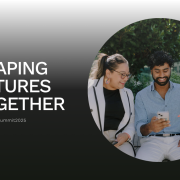
Shaping Aotearoa’s future together

The Tech Users Summit returns for 2025! Co-hosted by the Digital Health Association (DHA) and TUANZ, this flagship event brings together two influential networks with a shared goal: to advance digital technology as essential infrastructure for modern life.

This year’s theme, Digital as Core Infrastructure, recognises a pivotal moment for New Zealand. While roads, energy, and water have long been seen as the backbone of our society, digital systems are now just as essential. Broadband, connectivity, digital health platforms, and smart services are the new threads connecting our people, communities, and institutions. Together they help enable better decisions, faster responses, and stronger outcomes in every sector.

The 2025 summit explores the digital challenges and opportunities shaping our future, with a programme focused on topics that matter most:

  • Artificial Intelligence (AI): Delving into opportunities, risks, and ethics in both health and business.
  • Security & Safety: Addressing cybersecurity for data and enterprise, and safeguarding all New Zealanders online.
  • The Talent Gap: Strategies for building a diverse, future-ready digital workforce.

Expect inspiring keynote speakers, dynamic breakouts, and networking designed for genuine cross-sector collaboration. By joining forces, TUANZ and DHA are accelerating digital impact, creating a unique platform where digital tools meet real-world outcomes.

Now is the time to help shape a national vision for digital. Whether you’re a TUANZ or DHA member—or simply passionate about New Zealand’s digital future, your voice matters. Don’t miss this opportunity to connect, learn, and lead as we ensure technology empowers every person, business, and community.

Learn more and secure your place >> Tech Users Summit 2025

Why should digital be a core infrastructure for Aotearoa?

In today’s world, digital technology is more than just a tool, it’s the backbone of modern society. As New Zealand continues its rapid digital transformation, it’s clear that digital is not just an add-on, but an essential infrastructure, as critical as our roads, energy and water systems.

Digital infrastructure underpins how we work, connect, learn and access vital services. From telehealth appointments to secure online banking, cloud-based business systems that keep our economy running, digital technology is woven into the fabric of everyday life. When digital systems are robust, everyone benefits: businesses are more resilient, government services are more accessible, and communities can better respond to challenges and opportunities.

But treating digital as core infrastructure is also about ensuring equity. Reliable internet, digital skills, and access to technology shouldn’t be a privilege, they are basic requirements for full participation in modern society. By investing in digital infrastructure, New Zealand can close the digital divide, boost productivity, and empower innovation across every sector, from healthcare and education to business and government.

That’s why this year’s Tech Users Summit 2025 is themed “Digital as Core Infrastructure.” We’re bringing together leaders, innovators, and decision-makers from across Aotearoa to explore how digital infrastructure is reshaping our future and what we must do to ensure everyone can thrive in a connected world.

Join us on 10 September 2025 at the Grand Millennium Hotel, Auckland, to be part of this crucial conversation. Let’s unlock New Zealand’s digital future, together.

Learn more and register today.

Support Cyber Smart Week 2025

Our lives are increasingly digital, yet many of us don’t safeguard our online presence with the same diligence we apply to our physical world. For example, we consistently use seatbelts in cars and secure our homes and offices, but often neglect similar protection for our online bank, email and social media accounts.

We’re supporting this year’s Cyber Smart Week, running from 6-12 October and encourage all our members to join us, especially given that over half of all New Zealanders have experienced an online incident in the last six months!

Organised by the National Cyber Security Centre (NCSC), this year’s campaign will  continue to emphasise online security, encouraging all New Zealanders, both at home and at work, to adopt simple protective measures.

Sign your organisation up to become a supporter of Cyber Smart Week 2025 and, closer to the time, you’ll receive free material and resources you can share with your employees, customers and communities. This will include ready-to-use materials such as posters, editorial content, a social media pack, challenges, a quiz and more. 

Register here to become a supporter of Cyber Smart Week 2025

Introducing the Free to Lead Toolkit

We are proud to share the Ministry for Women’s Free to Lead: Online Harm Toolkit. It’s  a comprehensive, free online resource designed to empower and support women and their employers to navigate the online world with confidence.

Why this matters:

Research shows that women in high-profile public roles are more likely to experience online harassment and abuse. Around one in three New Zealanders have faced some form of online harm, but women in the public eye are disproportionately targeted – with recent studies revealing widespread harassment of female Members of Parliament, leaders in local government and other public-facing roles. This creates real barriers to women’s participation in leadership, public life and digital spaces, often leading to psychological distress, self-censorship and missed opportunities.

What’s in the toolkit?

Developed in partnership with Netsafe, the toolkit features two practical, interactive modules – one for women and one for employers. It is also supported by a powerful video series, Beyond the Keyboard, featuring high-profile women sharing their lived experiences of online harm and how they’ve navigated these challenges. The women’s module empowers users with strategies to identify, respond to and recover from online harm, information on New Zealand law, and tips for building a safe and confident online presence. The employer module equips organisations with guidance to support their team, build a culture of online safety and respond effectively if harm occurs.

Why is this toolkit needed?

Online harm is on the rise as more of our work, community and leadership activities move into digital spaces. It is vital that safety concerns do not prevent women from stepping into leadership and public roles. The Free to Lead toolkit doesn’t ask women to change the way they engage online—it provides the knowledge, support, and practical steps needed to stay visible and safe, and helps employers create environments where women feel supported, not silenced.

Who is it for?

While designed with women in leadership and public-facing roles in mind, this toolkit is relevant for anyone experiencing online harm and for all employers wanting to foster a safer, more inclusive workplace.

Take action!

The toolkit is available now and it’s free to use. We encourage our members to explore the resources, support colleagues, and be part of a safer, more equitable digital landscape.

Access the toolkit here:

www.women.govt.nz/onlineharm

Digital Technology Workforce Development Submission 2025

IT Professionals and TUANZ have developed a joint submission on the latest moves in the reshpe ofg vocational training in NZ.  In the submission we advocate for the digital technology sector’s unique needs within Aotearoa’s vocational education reforms. We favour an independent work-based learning model to ensure industry control and agility in training. The submission emphasises the importance of a dedicated Digital Technology Industry Skills Board (ISB) to prevent digital skills from being overshadowed by other industries. It calls for funding and support for cadetships and micro-credentials aligning with modern tech employment, rather than solely relying on traditional apprenticeships. The submission stresses the need for government investment in digital technology skills to future-proof New Zealand’s workforce. Finally, we offer their expertise to ensure that the vocational education reform benefits the digital technology sector.

You can read the submission here.

Arotahi Spotlight Series 2024 – Mahia Recruitment

Spotlight on Mahia Recruitment: Empowering Māori and Pasifika in Tech

Hassana Kirkwood founded Mahia Recruitment with a clear vision: to build a recruitment agency that would go beyond the transactional nature of the industry and do more for people. Guided by the whakataukī “Mahia te mahi hei painga mo to iwi”, (do what is necessary for the wellbeing of the people). Mahia focuses on adding value beyond simply filling roles. The company prioritises the personal and professional growth of both candidates and clients, creating connections that are meaningful and enduring.

For Hassana, recruitment is about more than matching technical skills to job descriptions. It’s about understanding the cultural and community aspects that lead to lasting success. Mahia is dedicated to empowering Māori and Pasifika talent, ensuring that they find roles where they can thrive and contribute not only to their workplaces but also to their communities. This commitment to people-first recruitment is what sets Mahia apart in New Zealand’s tech sector.

Alongside Mahia, Hassana is the Co-Founder of Tech Taniwha, a community initiative designed to help Maori people find their inner taniwha – their unique strengths, resilience, and potential. Through mentorship, knowledge-sharing, and support, Tech Taniwha creates a space where individuals are encouraged to grow and lead in the tech industry.

Hassana believes that by fostering this sense of capability and confidence, Tech Taniwha is helping to shape a future where Māori voices are not just present in tech but are leading the way. Both Mahia Recruitment and Tech Taniwha are dedicated to creating an inclusive and supportive environment in tech, where diversity is celebrated and empowered not just talked about. 

Click the image below to watch Hassana share her experiences and why she was driven to found Mahia Recruitment.

TUANZ releases Rural Connectivity Symposium Communique

In May 2024, government, industry, and community representatives gathered at the Tech Users Association (TUANZ) Rural Connectivity Symposium in Rotorua to discuss future-proofing connectivity in our rural communities.

With over 200 attendees, The Rural Connectivity Symposium 2024 was our biggest year yet, a testament to the great work we’re all doing to champion our rural communities in Aotearoa. It was fantastic to hear from our wonderful speakers and for so many of us to come together, share ideas, and find creative solutions.”  says TUANZ CEO Craig Young.

Today, TUANZ released its annual Rural Connectivity Symposium Communique, highlighting the important contributions from speakers, panellists and attendees. 

In his ministerial keynote, Hon. Paul Goldsmith, Minister for Broadcasting and Communications, reaffirmed the Government’s commitment to addressing the disparity in connectivity between rural and urban areas in Aotearoa New Zealand. While acknowledging fiscal constraints, he emphasised the need for steady progress in improving access to connectivity.

However, for many in the rural community, the level of service is still somewhat based on a “postcode lottery”. Consumer NZ CEO Jon Duffy agreed, stating “There shouldn’t be a second-class position… Customers should be able to access great service regardless of location.” He noted that healthy markets, where competition offers fair pricing no matter the location, would benefit rural customers.

This sentiment was echoed by other speakers, who emphasised the need for investment to assist those in areas where connectivity is available but not affordable. Research shared by the Digital Equity Coalition Aotearoa (DECA) suggests that a significant portion of New Zealanders struggle to afford basic internet connectivity. This lack of affordable options creates a digital divide, excluding low-income households from the social and economic benefits of the internet.  Exciting initiatives, like the work REANNZ is doing to reduce digital inequality among students by creating a network of digitally connected spaces with frictionless access provided by eduroam, are steps in the right direction. 

“We cannot stand still or think that small steps are acceptable to those who cannot connect due to a lack of service, competition or affordability.  We know there is no silver bullet, but we need an ambitious vision to ensure everyone who needs and wants to be connected can be,” said Craig Young.  “Many of the speakers who live and work in rural areas emphasised how public policy must recognise the ‘right to be rural’ and the fundamental right to be connected.”

You can view the Communique here


For further comment or interview, please contact Craig Young

About TUANZ

The Tech Users Association of New Zealand (TUANZ) is helping Kiwis make the most of our digitally connected world. TUANZ is an independent voice, representing both the connected user, and businesses in Aotearoa for over 35 years. Our voice speaks for you, with the Government, media and technology suppliers. Our vision is for New Zealand to be a top 10 digital ready nation by 2030.

We work hard to ensure that every New Zealander can be connected to the digital world and we care about our future here in Aotearoa. We continue to advocate for improved access for all users in New Zealand to the services they both need and want. Together with our members, we’re dedicating resources to nurture our future leaders, empowering them to excel in their careers and contribute positively to your business.
www.tuanz.org.nz